



-
![]()
Circle of Wonders
ButtonSelf Drive | 10 Days
-
![]()
Chasing the Midnight Sun
ButtonSelf Drive | 5 Days
-
![]()
Iceland in a Nutshell
ButtonSelf Drive | 6 Days
-
![]()
Slow and Serene South Coast
ButtonSelf Drive | 6 Days
-
![]()
Reykjavík Recharge
ButtonThe Pearls of Iceland in 3 Days
-
![]()
Highland Heartbeat
ButtonSelf Drive | 7 Days



Iceland is an all-year-round destination. The weather is mild throughout the year, meaning the winters are not that cold, but also the summers are not that warm. Many visitors are surprised with the winter weather, as you can experience much colder temperatures in several states of the United States. Likewise, people are often surprised at how chilly the summer can be, but it can provide a welcome respite from intense heat elsewhere in Europe. You might get sunny and clear days in winter in Iceland, but you might also get some snow in the summer depending on your luck. The main difference between the winter and the summer is the amount of daylight hours, as the summers are blessed with 24 hour daylight but in wintertime it’s pretty dark, however the auroras might light up the sky. The shortest day of the year, the winter solstice, is December 21st. The longest day, the summer solstice, is June 21st. In between those two dates the days are either getting longer or shorter, by a couple of minutes each day. Equinox takes place on March 21st and October 21st, where the day and night are equal in length. Each season is attractive in its own way, so to help you decide when to visit Iceland, here is an overview of what to expect in Iceland in winter, spring, summer or fall, both with respect to the weather and the main attractions. Iceland in Winter The winter in Iceland is the longest season, from November until March. Although technically an off-season (besides Christmas and New Years), there are still many visitors that choose to travel in Iceland in winter, and some prices are lower at this time of year. From November to December the days are getting shorter but after Christmas the days start getting longer again. December and January are the darkest months of the year. However, at this time it’s also likely that there’s a blanket of snow on the ground which brightens up the days, the country is covered in festive Christmas lights and at nighttime the Northern Lights dance in the sky. The shortest days also have a beautiful pink light as it’s a continuous golden hour for the few hours that the sun is up. The Northern Lights can be seen from anywhere in the country, including Reykjavík, but it’s better to try to watch them where there’s no light pollution. Sometimes they flicker across the sky for merely a few seconds, and at other times they spend the whole night ebbing and flowing in shades of green, white, pink and purple. In order to see them they need to be taking place, it needs to be dark and the sky must be clear, or only partially cloudy. The Northern Lights take place all throughout the year, they simply cannot be seen in the summertime because it doesn’t get dark then. They are the biggest attraction in winter, but you shouldn’t count on seeing them, they’re more like a bonus to all the gorgeous sightseeing you can do. The temperature during wintertime in Iceland varies, but on average it’s somewhere between 23-41°F (-5°C to +5°C). Iceland has a very dry climate, that’s not to say it doesn’t rain (it rains and snows quite a bit), but there’s not much humidity in the air. So even though it’s 14°F (-10°C), which is about the coldest it gets in Reykjavík, then you can dress it off and the cold doesn’t sneak its way into your bones like it does in more humid countries. What you need to be prepared for is the windchill. Iceland is a windy country, and the windchill can make it feel a lot colder than the temperature tells you. Iceland’s winter weather is very unpredictable and constantly changing. You might be lucky and get several beautiful crisp sunny days in a row, or you might experience one of the country’s winter blizzard storms, when roads close down and people are encouraged to stay at home. However, it’s always warm and toasty indoors in Iceland, since the houses are built to withstand the cold and the heating comes from geothermal hot water and is practically free. It’s important to dress in many layers, so you’re able to take layers off when you go inside, and add them on when you go outside. It’s also important to be flexible, and adapt to changed plans in case the weather doesn’t play along with your schedule. Icelandic winters can be absolutely magical. Besides the auroras, the landscape can offer a frozen winter wonderland, with half-frozen waterfalls and gorgeous natural blue ice caves. There’s one place where you can visit a natural glacier ice cave in summer, but ice caving is mostly reserved as a winter activity as the caves are much more spectacular in wintertime. For those looking for some active sports or adrenaline, there is a selection of glacier hikes, ice climbing, cross-country and downhill skiing and snowmobile tours to go on. If it all gets a bit too chilly, then there are several hot tubs, spas and saunas to take advantage of - nothing beats relaxing in a warm lagoon with a drink in one hand and the northern lights dancing above. Reykjavík’s bars and restaurants are also worth checking out, as the nightlife can also get pretty steamy! Iceland in Spring April and May are considered the spring months in Iceland. These months are a shoulder-season in Iceland, where you won’t have as many tourists as in the summer and prices may be a little cheaper, with more availability for hotels and tours. By April most snow is normally gone from Reykjavík and the south coast of Iceland. The north part of the country is likely to still be covered in snow, or at least its mountaintops. The average temperature is just above freezing, or between 32-41°F (0-5°C). There may still be the occasional snowy days, but the flowers start to pop up and the weather is generally milder than in wintertime. In May the average temperatures have risen up to 41-50°C (5-10°C). In recent years May has had unusually mild weather, with temperatures going up to 77°F (25°C), but you can not count on that to happen. Road closures are uncommon at this time of year for the ring road, so you can drive past the snow-capped mountains while witnessing the first signs of summer blooming. During these two months you’ll notice the days getting longer, at the start of April the sunset is around 8:30 PM but by the end of May the sunset is around 11:30 PM. In April and until mid-May it still gets dark for a few hours each night, so it is possible to see the Northern Lights when the skies are clear, but still enjoy long daylight hours to sightsee in the daytime. Easter takes place in either March or April yearly, during which the popular free-to-attend rock music festival "Aldrei fór ég suður" takes place in Ísafjörður in the Westfjords. It’s a fantastic destination to combine local music culture with sea kayaking or skiing at their local ski resort. Some of Iceland’s most famous residents show up in April, the ever-so-popular puffins arrive from the sea in April, along with many other migrating bird species such as the golden plover and the arctic tern. The first puffins and the golden plovers start arriving in March but if you’re visiting Iceland for the birdlife it’s safer to arrive after mid-April and plan to visit the coastal cliffs. The best areas to see the birdlife are in the Westman Islands, the East fjords or the Westfjords, especially the cliffs of Látrabjarg. Visit Iceland in the springtime to enjoy long days that can be filled with winter or summer activities, including but not limited to horseback riding, whale watching, sightseeing, glacier hiking and bird watching but still have the chance to spot the auroras at night, without the tourist crowds of the summer. Iceland in Summer The Icelandic summer months are June, July and August. Throughout these three months there is 24/7 daylight. Even though the sun may set sometime around midnight, the sunrise is only about 3-4 hours later and in between sunset and sunrise the country is bathed in twilight golden hour colors. You’ll be sure to see some of the most spectacular pink and red sunset skies in Iceland in summertime, that is if you’re awake at that time! These months are perfect for long road trips in Iceland. You’ll never need to get anywhere “before it gets dark” since it never gets dark. So you can make the most of the long days and view stunning waterfalls or black sand beaches late at night, or very early mornings. The country is blanketed with green grass and purple lupine, providing a stark contrast to the black sands and the white glaciers. In late June, or sometimes even early July, the roads to Iceland’s interior open. This is a stunning but rugged area of the country, where there are no towns and hardly any gas stations or shops, but instead there’s raw, wild and somewhat untouched beautiful landscape. Popular highland areas include the multi-colored Kerlingarfjöll and Landmannalaugar geothermal areas as well as the lush and green Þórsmörk valley. The most remote areas of Iceland, the interior highlands and the nature reserve Hornstrandir in the Westfjords, are only accessible in summertime. The average temperature is only about 44-55°F (7-13°C) in the summertime, but in recent years there have been several days where the temperature hovers around 77°F (25°C). The weather tends to be sunniest and warmest in the North and East of Iceland, so be sure to check your weather forecast before hitting the road. In summer there are many activities on offer, and it’s still possible to do some winter activities such as glacier hiking and snowmobiling. Summer is also perfect for hiking, river rafting, quad biking, horseback riding, caving, sea kayaking and whale-watching. Iceland in Fall September and October are the fall months in Iceland. The wind and rain picks up in these months, but so do the changing colors of nature. Large areas of Iceland are covered in low birch wood, so there are some stunning autumn leaves to be seen at popular destinations such as the Golden Circle. At this time of year, like in the spring, the days are long but the auroras come out at night to play. There are also fewer tourists, and lower prices, but the migrant birds have left the country by this time. Most tours are still available, such as horseback riding and whale watching, and most roads are open and accessible. The first snowfall of the winter often occurs in September or October, but the snow doesn’t stick around for long. That can also provide gorgeous contrast to the red, green, yellow and purple leaves. This is harvest time, and you’ll be able to pick wild berries in the moss covered landscape, including crowberries and blueberries. Temperatures start dropping, but hover around freezing point, similar to springtime at 35-50°F (2-10°C). There’s often the first storm of the winter season, but it tends to be a rainstorm rather than a snowstorm, so be sure to check the weather forecast daily if you’re driving on your own. Farmers gather their sheep at this time, so you might be able to witness the traditional way to do so, which is called “réttir”. All the farmers from neighboring counties, along with their families and friends, gather all the sheep that have been roaming free in the summertime to one area and then sort them together. This is a festive occasion that’s fun to witness, or participate in. So which season do you find most interesting? No matter which one you pick, you’re sure to have an unforgettable time during your stay in Iceland, and we are happy to help you plan your dream vacation here at Vala Adventures.

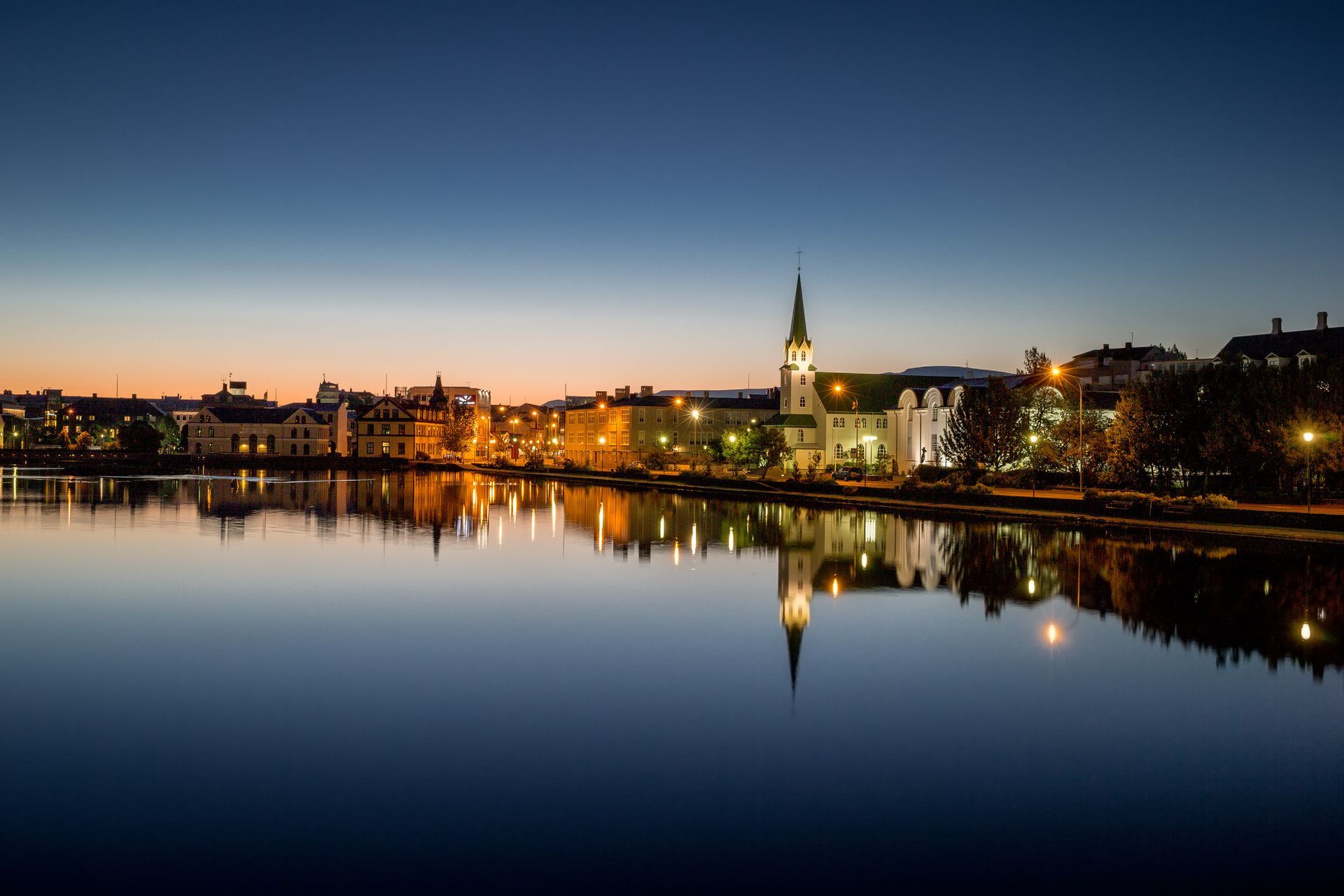
No matter where you look in Iceland, you’re bound to see stunning landscapes and impressive attractions. You can admire stunning waterfalls and otherworldly black sand beaches, hike over glaciers and soak in hot springs and then marvel at the northern lights, even all in one day! Icelandic nature gets a lot of attention, but the country’s capital, Reykjavík, also has a lot to offer. Most people make Reykjavík their base and go out on day tours, or they either start or end their trip in this Nordic capital. Here’s a list of some of the must-see attractions in Reykjavík to help you plan your stay. Take a dip in Reykjavík Capital Region First of all, you’re likely to spend your first or last day in Reykjavík. Reykjavík is a 40-minute drive from the international airport that’s based in Keflavík, but on the way you can make a stop at one of Iceland’s most popular destinations, the Blue Lagoon. Many people choose to start or end their Iceland vacation with a relaxing spa session in the lagoon’s milky blue waters. The Blue Lagoon is far from being the only hot spring or spa you can enjoy in Iceland, but it’s by far the most famous one. That means that it will have a lot of other visitors, but the lagoon itself is very large so you can still find a quiet spot by yourself. Icelanders love to immerse themselves in hot water, and within Reykjavík you can find 20 different public bathing pools to do so. Most are local swimming pools with a very moderate entry fee, but there is also the Sky Lagoon, an upscale spa with a bar and beautiful views over the sea. The prices are more expensive, but it’s a great way to treat yourself. Most visitors base themselves centrally in Reykjavík, so the nearest swimming pools are Vesturbæjarlaug in the west part of town, Sundhöll Reykjavíkur which is located just behind Hallgrímskirkja church, and the largest pool is Laugardalslaug, located within the city’s recreation center Laugardalur. On a sunny day in summer, you can also head to the city’s beach, Nauthólsvík beach, where there is a hot tub to warm up in between dips in the cold North Atlantic sea. The beach is right next to a small, forested hill called Öskjuhlíð where visitors can find some remnants from World War II, and on the top of the hill there is the Perlan natural museum and café, featuring 360° views over the city. Perlan is built out of several water tanks and features a large glass dome on its head. Explore Reykjavík on Foot Reykjavík is a small city and feels more like a large town than a capital city. Most attractions within the city can be explored on foot, and you can get acquainted with the city center in just a day. The tallest building in the city center is the Hallgrímskirkja church, towering over the colorful houses at 245 feet (74.5 m). Visitors can go to the top and get a view over the whole city and nearby mountains, such as the prominent Mt Esjan. Inside you’ll also find a huge organ, and this notable building is tastefully lit up in the nighttime, making it a great model for photographs. The street leading up to the church is called Skólavörðustígur but is often referred to as the Rainbow Street as it is painted in rainbow colors (and the Icelandic name can be quite a mouthful!). Iceland is a very queer friendly destination. At Skólavörðustígur you’ll find local jewelry and ceramic shops as well as cute cafés and nice restaurants. Make sure you check out the New Nordic cuisine, famous for its succulent lamb and fresh fish seasoned with locally grown herbs. Adjacent to the Rainbow Street is Laugavegur, the city’s main shopping street. It won’t take long to stroll both Laugavegur and Skólavörðustígur and check out some of the nearby streets to find some cute local shops. Look out for the Cat Café and secondhand stores, pet a cat on the street whilst checking out some street art and stop by a bakery to indulge in a sweet treat like snúður, kleina or marriage bliss. If you need a quick savory treat, then you can’t go wrong with picking up an Icelandic hot dog downtown. They’re made from lamb meat and served with raw and fried onions, as well as 3 different sauces; ketchup, sweet mustard and a mayonnaise based one called remúlaði and are ever-so-popular with both locals and visitors. If you’re a foodie, then you can book the Reykjavík Food Walk, a walking tour that will introduce you to different types of Icelandic cuisine and inform you about local history and culture. In Reykjavík’s downtown you’ll find the Icelandic parliament, and in front of it a small park that fills up with locals in summertime having pic-nicks on the grass. Swans, geese and other feathery locals attract visitors at the City Pond and accept food donations, and right on the pond is the City Hall, which is open to the public, often containing some public events. There are also two parks downtown, next to and surrounding the central City Pond. The parks are called Hallargarður and Hljómskálagarður and are always open to the public. Hljómskálagarður has some climbing playgrounds for kids, but mostly these two parks are used for public gatherings, such as during city festivals. The old harbor is also worth having a stroll through. It’s filled with nice restaurants and bars, and the option to go out on a whale watching or a puffin spotting tour. If you saunter a little further, you’ll end up at an area called Grandi, where you’ll find some delicacy shops, including a butcher and a fantastic ice-cream shop. Also in that area are the Marshall House museum, the Whale Museum and Fly Over Iceland, which replicates flying over some of Iceland’s most gorgeous landscapes. Indulge in the Local Culture Iceland is internationally known for a great music scene. This is the land of popular singers and bands such as Björk, Sigur Rós, Kaleo, Of Monsters and Men and Laufey, as well as prominent composer Hildur Guðnadóttir, amongst many more. So, it’s not a bad idea to go check out some of the local art scene and maybe catch some artists before they become international superstars. There are several places that offer weekly jazz or live music, the scene changes quite frequently so be sure to ask around before your arrival or just after you arrive. A popular music venue is Hús Máls og Menningar, a bookshop that hosts live music events daily. Mengi is a more alternative venue, where you might find some electronic and/or experimental music. And you might also find some interesting experimental musical events at the church Fríkirkjan, situated right by the City Pond. Next to the harbor is the impressive concert hall Harpa, which has open access to all visitors. Harpa contains beautiful architecture and make sure to check what events are going on. Harpa houses the Icelandic symphony orchestra, and frequently offers local and international acts including music, ballet, opera, stand-up comedy or different kinds of festivals. Another venue downtown that often hosts shows in English is the Tjarnarbíó theater, located right next to the City Hall and the City Pond. This is the home for the independent theater scene in Iceland, showcasing touring shows from abroad, local shows in different languages, dance performances, music events and stand-up comedy. On the other side of the City Hall is one of the city’s oldest theaters, Iðnó, which hosts a plethora of events, including regular tango and salsa nights, as well as plays, concerts or festival events. The National Theater (Þjóðleikhúsið) and the City Theater (Borgarleikhúsið) put on more elaborate shows. The National Theater also offers cabaret nights and improv nights in the basement venue (Þjóðleikhúskjallarinn), which are accessible for international visitors and often include international guest acts. Meanwhile the City Theater frequently puts on large musicals, so even if you don’t understand the language, you can still enjoy the spectacle. Bíó Paradís is a fantastic art cinema downtown, that’s been internationally recognized as one of the coolest cinemas in the world. It’s got great decor, a stylish bar and cool artistic film posters adorning its walls. Films are screened in their original language, either with Icelandic or English subtitles. Quite often there is some sort of festival going on in the city. Some of the bigger festivals include the biannual Reykjavík Arts Festival, or the annual film festivals RIFF and Stockfish, music festival Airwaves, Reykjavík Fringe Festival and Reykjavík Dance Festival as well as Design March, Reykjavík Pride and Culture Night. Many smaller ones exist as well, including music, dance, cuisine and theater. Check out the Reykjavík Jazz Festival, Vaka Folk Festival, Sequences Art Festival, Food and Fun Festival, Street Food Festival and many more. For a rainy day, there are plenty of museums to choose from, with anything from contemporary art, photography or history to more specialized ones such as the whale or punk museum—or even the ever-so-popular penis museum! The National Museum (Þjóðminjasafnið) gives you a great insight into Iceland’s culture since it was settled, as does the Settlement Exhibition 871±2. For modern art check out the Reykjavík Art Museum which is spread out over three buildings: Hafnarhús by the old harbor, Kjarvalsstaðir by Klambratún park and Ásmundarsafn in Laugardalur recreational center. The National Gallery of Iceland focuses on art from the 19th and 20th century, while Nýlistasafnið is a modern artist-run gallery located within the Marshall house. The nightlife also packs a punch, with bars and clubs to suit different ages and music styles. There are relaxed wine or cocktail bars to choose from, as well as livelier bars that offer more of a party. Check out Vínstúkan 10 Sopar, Apéro or Bodega for a relaxed glass of wine, head to Kiki Queer Bar for a drag performance or a cheeky dance, Kaffibarinn that’s a dance and music establishment in town or Prikið for hip hop and rap. Many cafés turn into bars, then turn into bars with dancing in downtown Reykjavík. That means you can have your morning coffee in the same place you danced on a table until 3AM the previous night. The club scene is much smaller, although there are still a few clubs to choose from, such as Auto. The scene here changes rapidly, so it’s best to ask around for the best nightlife when you arrive, depending on your music taste and if there are any specific events going on. Many bars offer decent happy hour prices and none of them have entry fees, and at weekends the nightlife goes on until 5AM. Explore More of Reykjavík with a Bike or Car If you have access to a car, or want to rent a bike, and are spending a few days in Reykjavík then you can also head to Grótta lighthouse, which is right by a nature reserve with rich birdlife. Grótta lighthouse is a popular destination to watch the sunsets in the summer, or the northern lights in the winter. There’s a cute beach there and a small warm footbath that’s free to attend, just bring a towel and perhaps some snacks for a cozy evening out in nature. Likewise, you can head to the Elliðaárdalur valley to find a tranquil green oasis in the middle of the city, complete with small waterfalls and salmon fishing rivers. A couple of cafés and museums are situated nearby, such as the Chromo Sapiens permanent installation in Höfuðstöðin and the open-air historical folk museum Árbæjarsafn where visitors can get a glimpse into the living conditions of people in Reykjavík in earlier times. A bit more central is Reykjavík’s recreational area, Laugardalur, where you’ll find the largest swimming pool in the country, an ice rink, several sport facilities and a small botanical garden. The botanical garden has a lovely café that’s open in the summertime, and close by is one of Reykjavík Art Museum’s locations, Ásmundarsafn which focuses on sculpture. Reykjavík’s neighbouring town Hafnarfjörður is lovely and worth a visit. This small town is also known as the Viking Village and is embedded into lava fields. It’s got a cute center by its harbor, including some shops, cafés, restaurants, a music venue and a cute little park. If you’re looking for more nature within the city, or by the city borders, then you can explore Álftanes, where the presidential residence Bessastaðir is located, or go to the city’s nature reserve Heiðmörk. Heiðmörk is a forested area that’s popular for joggers, horseback riders and cross-country skiers in wintertime. The city also boasts two ski areas, Bláfjöll and Skálafell. However, despite the name of the country, there’s barely enough snow in wintertime to keep regular opening hours at the ski resorts. All in all, you could spend several days in Reykjavík and not fit in all there is to see!
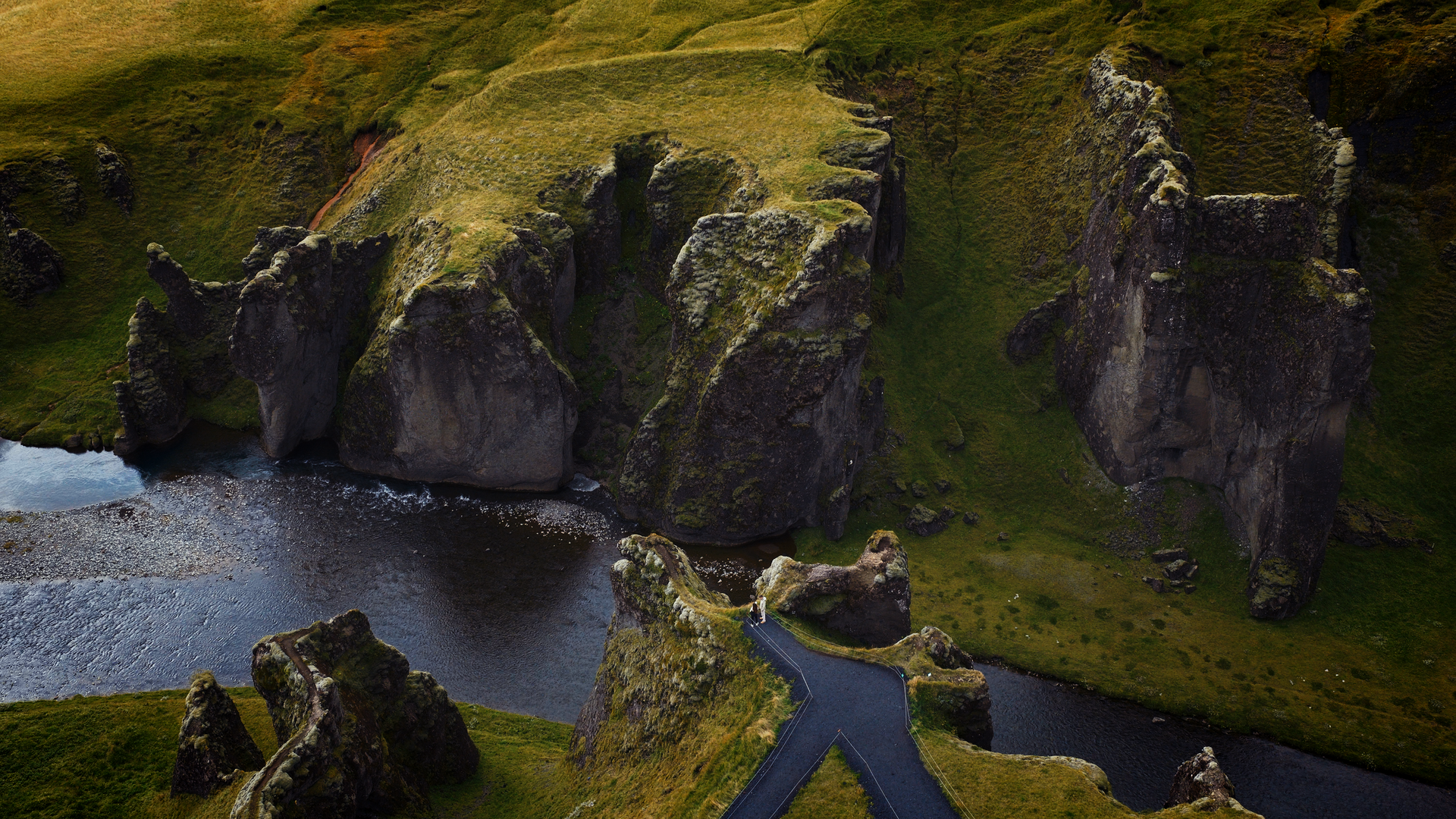
The single most popular day tour in Iceland is in the south part of the country and is called The Golden Circle. It gets its name from one of the attractions en route, the Golden Waterfall or Gullfoss. Other attractions included are the geysers Geysir and Strokkur—the former gave all geysers their name. Geysir hardly erupts anymore, but Strokkur is going strong and spouts hot water dozens of feet in the air every few minutes, sometimes up to 130 feet! Þingvellir National Park and UNESCO heritage site makes up the third stop on this half-day tour. This park includes Iceland’s largest lake and is both geographically and historically important. Two tectonic plates meet here, the American and the Eurasian plate, and rifts can be seen both on land and underwater. The lake holds the most popular scuba diving spot in the country, Silfra. Additionally, this is where the Icelandic parliament was founded and assembled for hundreds of years. Quite fittingly, Iceland’s former president currently works as a ranger in the park. The red crater Kerið is often included in a Golden Circle tour, but there are many other nearby attractions to add to your day—additional waterfalls, hot spring bathing, horseback riding, scuba diving or snorkeling, river rafting, or local greenhouses and farms. Friðheimar is a popular tomato greenhouse restaurant, serving tomato soup, Bloody Marys, and even tomato ice cream. Since all these attractions are close to Reykjavík and accessible in a day, the South Coast is Iceland’s most visited region—and there’s no shortage of options. Not far from the Golden Circle is Langjökull Glacier. Though part of the highlands, it’s accessible year-round on guided tours, either from Reykjavík or Gullfoss. You can snowmobile on the glacier or visit a man-made ice tunnel. Another popular hot spring experience is Reykjadalur, a warm river valley reached via a 1.5-hour hike from Hveragerði, or on a horseback riding tour. The hike passes bubbling mud pots and steaming hillsides. Further along the South Coast, waterfalls, glaciers, and black sand beaches dominate the landscape. Seljalandsfoss is a highlight, as you can walk behind it. A 5-minute walk brings you to the partially hidden Gljúfrabúi waterfall. Continue to Skógafoss—one of Iceland’s most iconic falls, featured in Game of Thrones, Walter Mitty, and a Justin Bieber video. It’s also the start of the long Fimmvörðuháls hiking trail, which passes 50+ waterfalls above Skógafoss. For a shorter walk, try Kvernufoss nearby, which is also accessible behind the cascade. These waterfalls run from two major glaciers: Eyjafjallajökull (famous for its 2010 eruption) and Mýrdalsjökull. Guided hikes are available on Sólheimajökull, one of Mýrdalsjökull’s outlets. The white glacier contrasts with the South’s black beaches. One surreal stop is the DC-3 plane wreck on the sand (another Bieber video location). A more natural highlight is Dyrhólaey promontory, offering panoramic views, a lighthouse, sea arch, and inland glaciers. At beach level is Reynisfjara, with its basalt columns and massive waves. Caution: This is one of Iceland’s most dangerous locations. Sneaker waves can suddenly pull people into the ocean. Several tourists have died here—respect the warning signs. Out at sea, the Reynisdrangar sea stacks are visible from Reynisfjara or from the nearby village of Vík. Between Vík and Vatnajökull National Park lies a long stretch of lowlands. Then you reach Skaftafell—a green oasis in summer and home to the basalt-column-framed Svartifoss waterfall. Skaftafell is part of Vatnajökull National Park, home to Europe’s largest glacier. It includes some of Iceland’s most photogenic spots, especially Jökulsárlón Glacier Lagoon and the nearby “Diamond Beach,” Breiðamerkursandur. Chunks of glacial ice float from the lagoon to the ocean, then wash up on the black sand like shimmering gems. You’ll often see seals here, too.